


Stakeholders Demand Mandatory Transparency, Youth Inclusion to Transform Host Community Development in Akwa Ibom

By Ekemini Simon
Stakeholders at a youth-led engagement in Uyo, Akwa Ibom State have called on the Federal Government, state authorities, and corporate organisations to enforce mandatory transparency, publish all project related financials, and integrate young people into decision-making processes as part of reforms to improve development outcomes in oil and gas host communities.
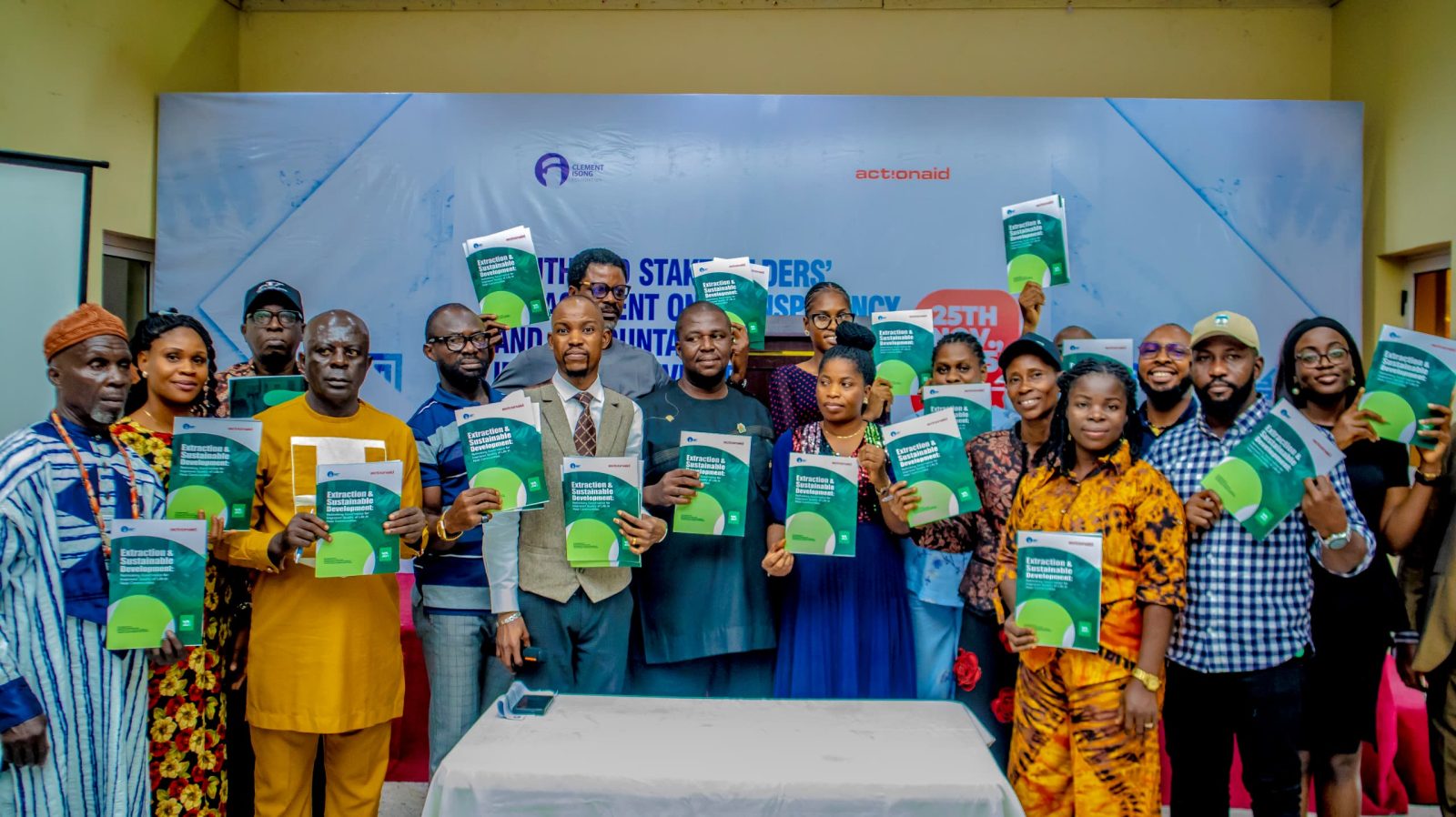
The call was made at a Youth-Led Stakeholders’ Engagement on Transparency and Accounting for Improved Development in Host Communities, convened by the Clement Isong Foundation (CIF) in partnership with ActionAid Nigeria under the Strategic Partnership Agreement II and held on November 25, 2025 at D’Angelo Hotels, Uyo.
The forum brought together representatives of various Host Community Development Trusts (HCDTs), including Ibeno Seplat HCDT, Ekid Frontier HCDT, Universal Energy HCDT, NOSDRA officials, community leaders, youth groups, civil society actors, and the media.
In a communique endorsed by the Executive Director of CIF and the Programmes Manager of ActionAid Nigeria, Elkanah Oluyori and Celestine Okwudili Odo respectively, participants observed that CIF has significantly enhanced public awareness on the responsibilities of host communities, especially regarding the implementation of the HCDT model. They also acknowledged that community development is a shared responsibility requiring collaboration between residents, government agencies, and corporate organisations. The engagement further highlighted persistent environmental impacts resulting from oil production activities, stressing the need for mandatory post-production cleanup and stronger regulatory frameworks.
Following extensive deliberations, stakeholders issued recommendations directed at all tiers of government, corporate entities, civil society, and community institutions.
For the Federal Government especially the regulatory agencies such as the Nigerian Upstream Petroleum Regulatory Commission (NUPRC) and the National Oil Spill Detection and Response Agency (NOSDRA), the forum called for the enforcement of statutory transparency frameworks, including public disclosure of budgets, timelines, and expenditure on host community projects. They also demanded stricter oversight of companies operating in oil communities and dedicated funding for youth-led monitoring initiatives.
At the state and local government levels, participants recommended the institutionalisation of multi-stakeholder accountability forums and establishment of real-time community monitoring systems across LGAs. They said the need for integrating youth representatives into local development planning to ensure inclusivity and responsiveness to community priorities.
For corporate organisations and HCDTs, the communiqué called for quarterly publication of project reports, transparent procurement processes, and participatory project design involving youth, women, and marginalised groups. It also asked for stronger grievance-redress mechanisms to ensure timely, fair, and transparent handling of community complaints.
Civil society organisations, youth groups, and development partners were encouraged to scale up civic education, strengthen evidence-based advocacy, and mobilise resources to sustain youth-driven accountability efforts. Community leaders and traditional institutions were also tasked with championing open and inclusive decision-making while promoting peaceful stakeholder collaboration in the management of community resources.
CIF and ActionAid Nigeria expressed appreciation to NOSDRA, HCDT representatives, community leaders, and all participants for their contributions. They also acknowledged the technical support of ActionAid Nigeria through SPA II and the cooperation of the Akwa Ibom State Government.
Stakeholders reaffirmed their commitment to deepening transparency, accountability, and collaboration as pillars for sustainable development in host communities, pledging to work together to secure long-term benefits for the people of Akwa Ibom and beyond.