


Akwa Ibom Communities in Etinan Lead Push to Break Barriers in Accessing TB, HIV, Malaria Treatment

By Ekemini Simon
Communities in Etinan Local Government Area of Akwa Ibom State have outlined practical solutions to long standing barriers preventing residents from accessing free Tuberculosis (TB), HIV and Malaria services.
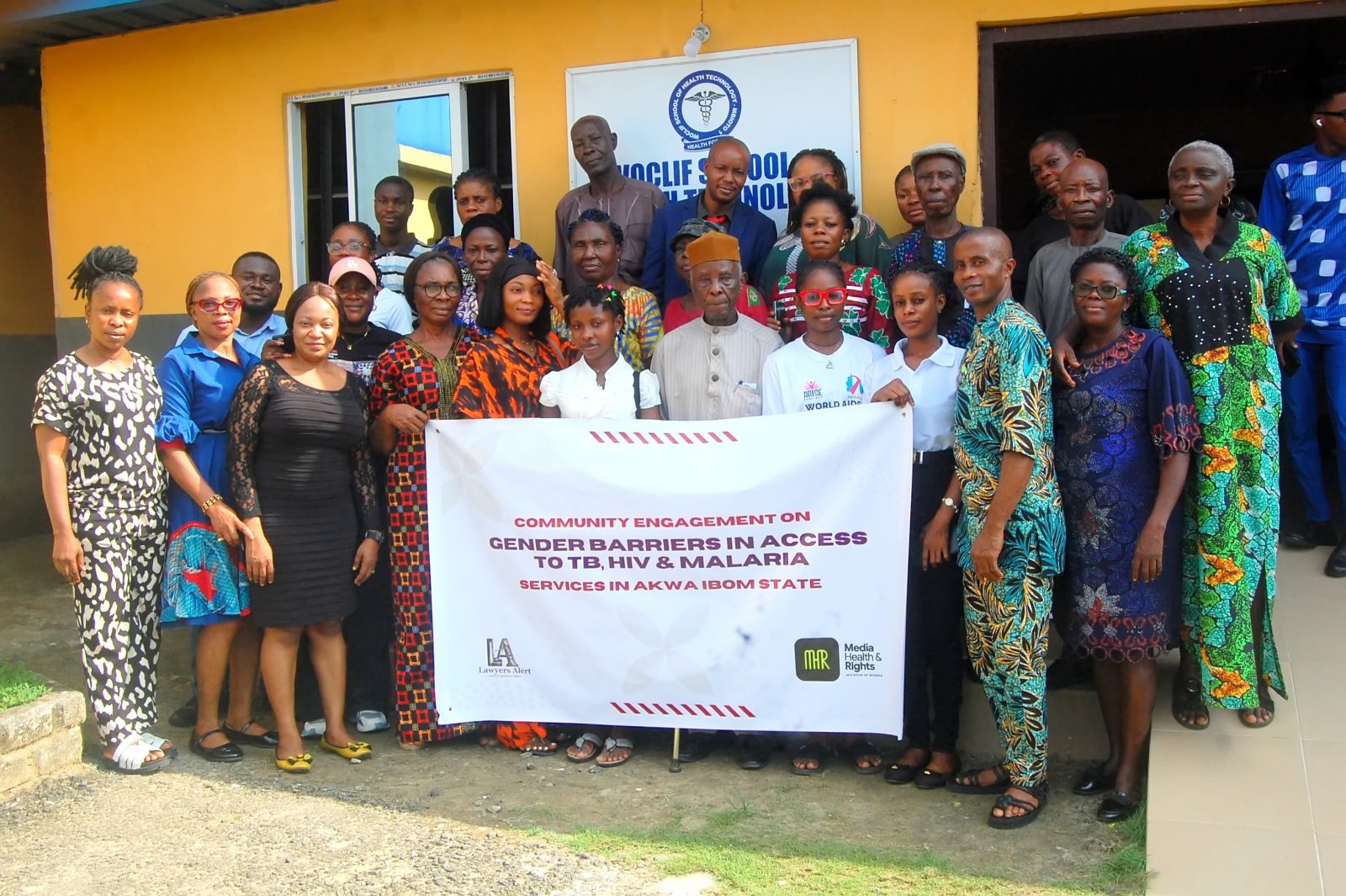
The solutions for action emerged on Monday, December 8, 2025, during a Community Engagement on Gender Barriers in Access to TB, HIV and Malaria Services held at the Women and Community Livelihood Foundation (WOCLIF) School of Health Technology, Mbioto I, Etinan.
Implemented by Lawyers Alert, in partnership with the Media Health and Rights Initiative of Nigeria, and coordinated by Women and Community Livelihood Foundation (WOCLIF), Vitonia Lead Foundation, and the Milestone Initiative for Human Rights and Empowerment, the event convened men, women, youths and health workers across Etinan communities to collectively identify challenges and propose community driven interventions.
Speaking during the engagement, Mrs. Uduak Umoh, Executive Director of WOCLIF, said TB, HIV and malaria treatments are free in the state, yet many residents still struggle to access them. She noted that Etinan has one of the highest HIV prevalence rates in Akwa Ibom, while the state itself ranks high in TB and Malaria prevalence nationally.
“Since treatment is free, we keep wondering what prevents people from accessing it. We want firsthand experiences from community representatives so that together we can identify the gaps and design workable solutions,” she said.
Also speaking, the Executive Director of Vitonia Lead Foundation, Mrs. Edidiong Enang, led participants through a session on gender specific barriers, highlighting cultural norms, stigma, financial dependence, limited mobility and low decision making power as major obstacles undermining timely access to care.
During group work facilitated by Ms. Victoria Ikpat of the Milestone Initiative for Human Rights and Empowerment, representatives from various segments of the community gave detailed presentations on the barriers and solutions.
Women representatives, led by Mrs. Esther Moses, noted that transportation challenges, stigma, ignorance, fear, cultural and religious beliefs, poor past experiences with health workers, and misconceptions about the cost of treatment have been a major barrier in accessing the TB, HIV and malaria services. She added that many residents still rely heavily on herbal remedies and doubt that treatment is truly free, especially since diagnostic tests often attract fees.
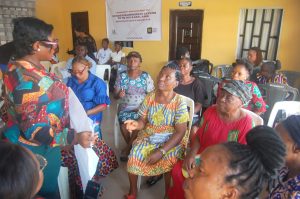
Women proposed door-to-door awareness, improved health worker attitude, better monitoring of free commodities, increased staffing and remuneration of health workers, and strengthened confidentiality at health facilities.


The youth group, presented by Miss Blessing Okoi, cited fear of parents discovering their HIV status, stigma, low self-esteem, unfriendly health facilities, and poor health education as key barriers for young people. They also noted phobia for injections in malaria treatment and the popular belief that enema alone cures malaria.
Youth-specific solutions recommended included establishing youth-friendly centres, improving confidentiality among health workers, creating support groups for affected young people and advocating for laws protecting young people living with TB, HIV and malaria.
Health workers, represented by Nurse Ukeme Anselem, listed ignorance, poverty, poor health infrastructure, cultural beliefs and negative attitudes among some health personnel as major discouraging factors.
They recommended mass recruitment of health workers, regular training, timely supply of commodities and consumables, strict adherence to confidentiality, reduced waiting time for patients, community sensitisation and involvement of traditional rulers, religious leaders and birth attendants.
Men’s representatives, led by Obong Godwin Williams, Village Council Secretary of Mbioto Community, harped on the need for more publicity spearheaded by the community on available treatments and stronger discouragement of self-medication. For TB, they identified misconceptions that the disease is spread through witchcracy or specific for some communities. They said fear of what the test results hold and transportation difficulties also serve as predominant barriers. On malaria, they called for increased preventive medication and sensitisation on proper use of insecticide-treated nets, particularly discouraging the use of the nets in farms.
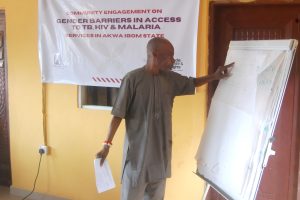
Meanwhile, participants have developed a community action plan from the solutions proffered, agreeing on specific achievable action and assigning roles with timeline.