


Akwa Ibom Town Hall Resolutions Target Grassroots Action, Men’s Advocacy in Fight Against Gender-Based Violence

By Ekemini Simon
Stakeholders drawn from traditional institutions, faith-based organizations, civil society, media, and community groups have resolved to take decisive community-level action to prevent gender-based violence (GBV), including identifying early warning signs, de-escalating potentially violent situations, and ensuring timely and appropriate referrals for survivors.
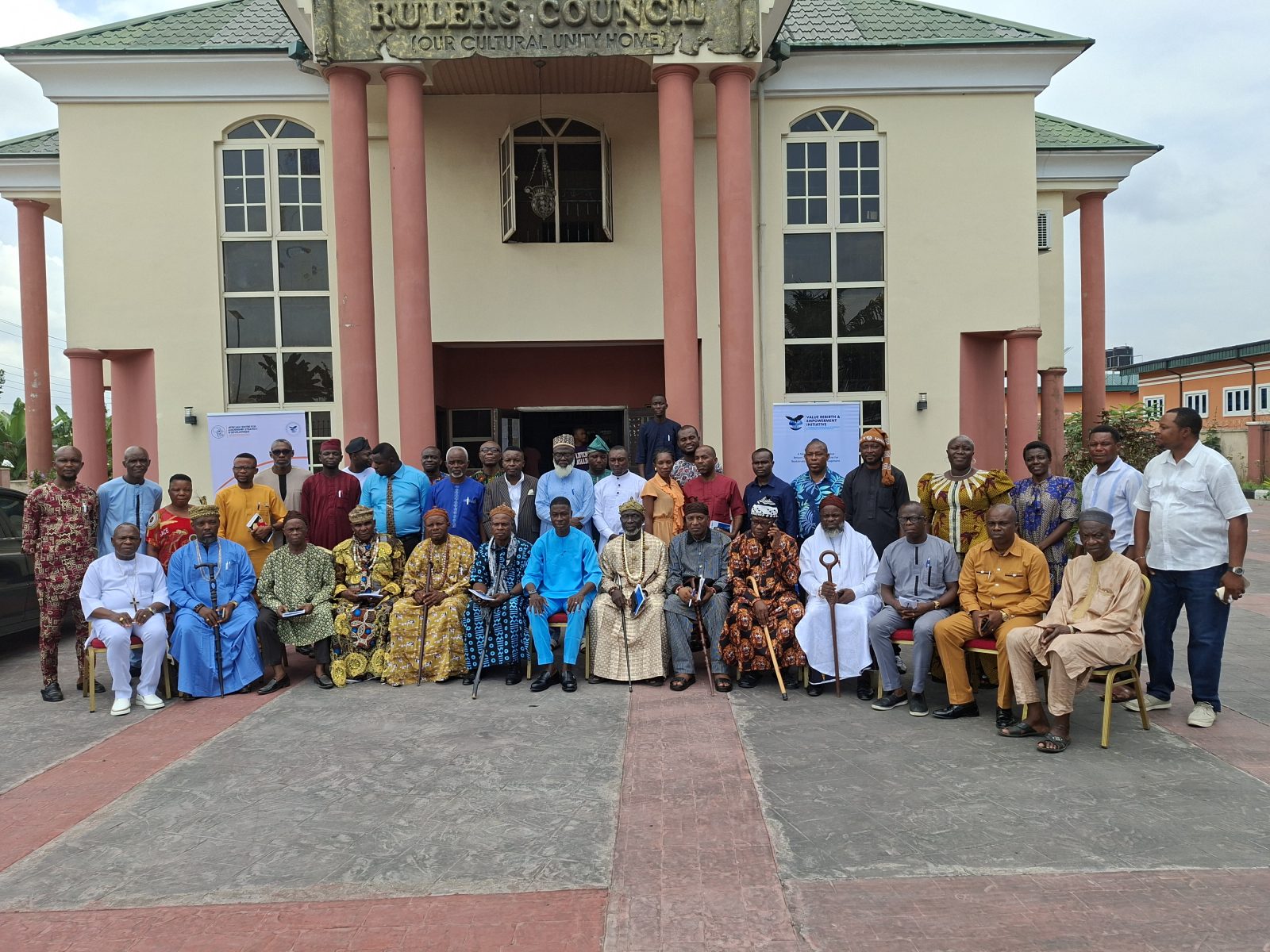
The resolution was reached at a one-day Male Feminist Network (MFN) Town Hall Meeting organized by the Value Rebirth and Empowerment Initiative (VREI) on Saturday, December 27, 2025, in Uyo, Akwa Ibom State.
The town hall meeting, held at the Uyo Traditional Rulers Council Hall, brought together 53 participants which were 47 men and six women to deliberate on feminism, gender justice, GBV prevention, and the role of men in challenging harmful social norms.
Participants included traditional rulers, religious leaders, community leaders, male advocates, civil society practitioners, male allies, media representatives, and staff of VREI.
According to the organizers, the meeting was convened to deepen understanding of feminism and gender justice, address misconceptions surrounding feminism, and strengthen institutional and community partnerships for improved GBV prevention and response. The project is implemented by VREI under the Male Feminist Network project, in collaboration with the African Centre for Leadership, Strategy and Development (Centre LSD), with support from the Ford Foundation.
In a communique issued at the end of the event, beyond community-level intervention, participants resolved to engage men as key advocates and facilitators in the fight against GBV. They agreed that men occupy strategic positions of influence in families, faith-based institutions and traditional structures, and must therefore play an active role in promoting accountability, challenging harmful practices and supporting survivors.
The meeting also emphasized capacity building, with participants noting that the Town Hall equipped them with practical knowledge and strategies to prevent GBV, promote feminist values and advance gender justice. Stakeholders acknowledged the need to translate these lessons into everyday leadership practices and community engagement.


Part of the resolution which focused on addressing misconceptions about feminism noted that feminism is often misunderstood and participants are committed to promoting a clearer and more accurate understanding of feminism as a movement for equality, justice and human rights for all. They further acknowledged that meaningful progress toward gender equality requires the active involvement of men as allies and partners.
Participants resolved to cascade the knowledge gained from the Town Hall to wider groups of men within their communities, religious institutions and social networks. This, they noted, would help expand the reach of the Male Feminist Network and strengthen grassroots advocacy against GBV across Akwa Ibom State.
Issuing a call to action, the communiqué asked all stakeholders including government agencies, traditional and religious institutions, civil society organizations and the media to join the collective effort to tackle GBV and promote gender equality, stressing that sustained collaboration is essential to building safer and more just communities.
Earlier, in his welcome remarks, the Executive Director of VREI, Amb. Pst. Edewor Egedegbe, described the Male Feminist Network as more than a programme, calling it “a movement of men and allies committed to promoting gender equality, preventing gender-based violence, and advancing equity, fairness, and justice for all.”
He highlighted the critical role of traditional rulers, religious leaders and community leaders in shaping social values and behaviors, and urged participants to use their influence to challenge harmful norms and promote respect and non-violence.